Austin, TX Pier and Beam Foundation Repair
Home » Austin Foundation Repair » Austin Pier & Beam Foundation Repair
Restoring Crawl Space Integrity and Structural Stability
Pier and beam homes throughout Central Texas offer distinct architectural advantages, including natural under-floor ventilation and easy utility access. However, because these foundations rely on a network of subterranean supports, timber sill plates, and floor joists working in tandem, minor soil shifts under a single pier can trigger compounding issues throughout the entire structure. Unlevel sub-floors, sticking doors, and spongy walkways are rarely simple aesthetic defects; they are symptoms of underlying crawlspace distress.
Addressing pier and beam movement requires an understanding of both sub-surface soil mechanics and wood-frame structural engineering. Dura Pier of Austin approaches crawl space repair through a diagnostic, engineering-first methodology. Instead of relying on temporary shimming or quick patch jobs, our technicians analyze load paths, evaluate wood moisture levels, and install permanent support systems designed to stabilize your home for decades.
Causes of Pier and Beam Foundation Problems in Central Texas
A pier and beam foundation is a dynamic assembly exposed to both subterranean soil movement and crawlspace environmental conditions. Identifying the primary drivers behind floor deflection helps homeowners address root causes before secondary framing damage multiplies.
1. Active Soil Expansion and Subsidence
Central Texas is famous for its dense Blackland Prairie clay. These plastic clays absorb huge volumes of water during rainy seasons and contract severely during hot summer droughts. As the ground expands and shrinks beneath shallow pad footings or perimeter beam walls, individual piers shift out of alignment, leading to localized floor drops and progressive foundation repair in Austin.
2. High Crawl Space Humidity and Wood Rot
Inadequate crawl space ventilation combined with perimeter drainage failure traps heavy moisture beneath the floor system. Over time, elevated wood moisture levels invite fungal decay, softening timber sill plates, girders, and floor joists. As the wooden framing loses load-bearing capacity, floors begin to sag, squeak, or feel spongy underfoot.
3. Inadequate Original Support or Deteriorated Pier Caps
Older pier and beam homes often utilized stacked cedar posts, unreinforced concrete blocks, or shallow brick piers. Over decades of bearing structural weight, these original materials decay, crack, or tilt. When the primary support posts sink or lean, floor girders lose continuous support, transferring excessive tension to surrounding interior partition walls.
4. Poor Perimeter Drainage and Hydrostatic Pressure
When surface water ponds against a home’s exterior foundation wall, moisture migrates into the crawlspace soil. The resulting hydrostatic pressure destabilizes the interior dirt floor, turning solid soil bases into soft mud that can no longer support heavy pier loads.
Comprehensive Pier and Beam Repair Solutions We Provide
As experienced pier and beam contractors, Dura Pier provides tailored repair strategies built to correct both wood framing degradation and sub-surface pier settlement.
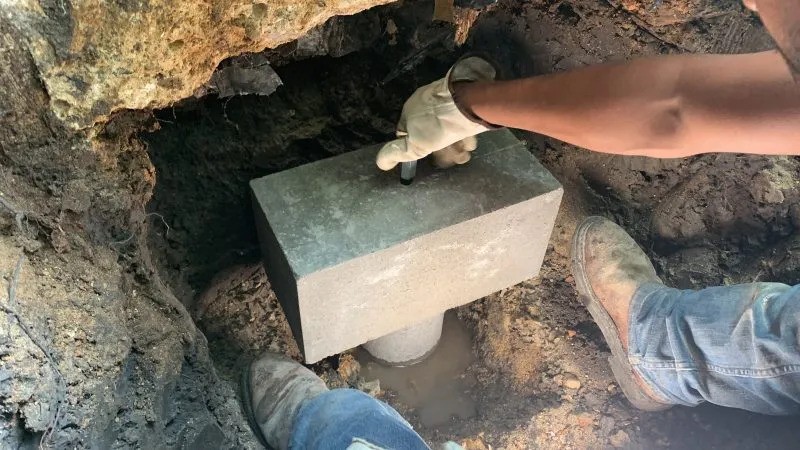
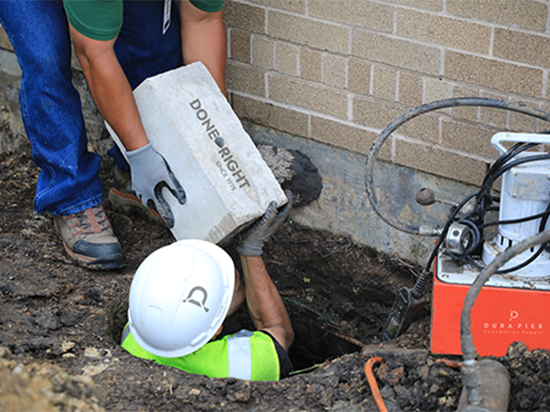
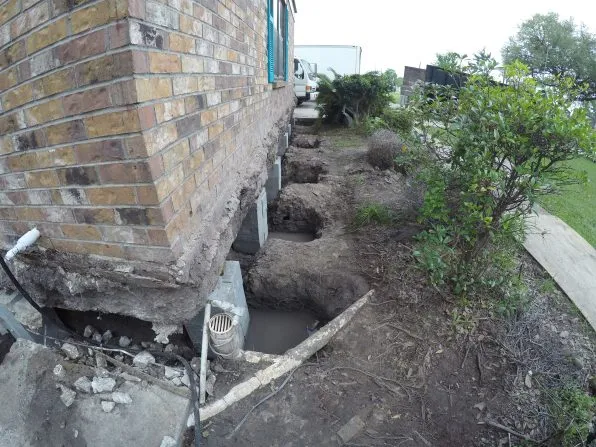
- Dura Lock® Pier Installation: Driving deep concrete or steel piling systems through shallow clay layers directly down to stable, load-bearing strata to provide permanent vertical support for perimeter grade beams and interior posts.
- Precision Floor Leveling and Reshimming: Carefully elevating sagging floor girders back to original elevation benchmarks using hydraulic jacking systems, then securing the framework with hard hardwood or steel shims.
- Structural Wood Member Replacement: Removing dry-rotted or structurally compromised timber sills, floor joists, and support beams and replacing them with pressure-treated dimensional lumber or engineered LVL beams.
- Supplemental Pier and Girder Addition: Installing additional support beams and heavy-duty concrete piers to reduce span distances, eliminate floor bounce, and accommodate heavy interior loads.
- Crawl Space Drainage and Vapor Management: Designing interior French drain networks, sump pumps, and perimeter water barriers to divert moisture away from crawl space soils and maintain uniform moisture levels.
Why Choose Dura Pier of Austin for Crawl Space Repair
Restoring a pier and beam foundation requires specialized trade expertise that combines structural carpentry with deep foundation engineering.
- Comprehensive Crawl Space Diagnostics: We inspect every square foot beneath your home, utilizing laser elevation equipment to map floor deflection and evaluate the structural integrity of your timber framing.
- Proprietary Underpinning Technology: Our exclusive Dura Lock® system connects concrete cylinders with steel alignment pins during hydraulic driving, providing a continuous, rock-solid column that resists the lateral soil pressures common in Austin.
- Foundation Repair Experts: Every repair plan is custom designed to restore proper load paths and meet municipal building codes across Travis, Williamson, and Hays counties.
- Clear Pricing and Transferable Warranties: We outline the exact scope of work before excavation begins, backing our pier installations with clear, transferable warranty coverage that protects your property valuation.
Request a Free Pier and Beam Foundation Evaluation
Unlevel sub-floors and crawlspace moisture issues do not self-correct; over time, framing rot spreads and structural settlement worsens. Partner with Dura Pier of Austin to restore safety, stability, and peace of mind to your home.
Contact our Austin foundation repair team today to schedule an on-site foundation assessment, review floor elevation mapping, and receive a comprehensive repair plan built for your home.